
Request a demo


Amazon has taken another major leap in Brazil, officially reaching 250 distribution and logistics centers in 2025. The scale is impressive — and it signals how strategically important the country has become for the global e-commerce giant.
But this expansion is more than an operational milestone. It reshapes the entire Brazilian logistics landscape, raises the bar for delivery performance, and accelerates the adoption of advanced technologies across the industry.
With more fulfillment hubs distributed across the country, Amazon shortens distances and reduces delivery times dramatically.
Regions that used to wait 4–7 days now receive packages in 1–2 days.
Major players like Mercado Livre, Magalu, Shopee, and independent fulfillment providers are now competing against a higher performance benchmark.
This shift accelerates:
Amazon’s strict operational standards force the entire ecosystem — carriers, warehouses, partners — to raise their quality and efficiency levels.
Every new Amazon center brings:
This injects first-world infrastructure into the Brazilian market at high speed.
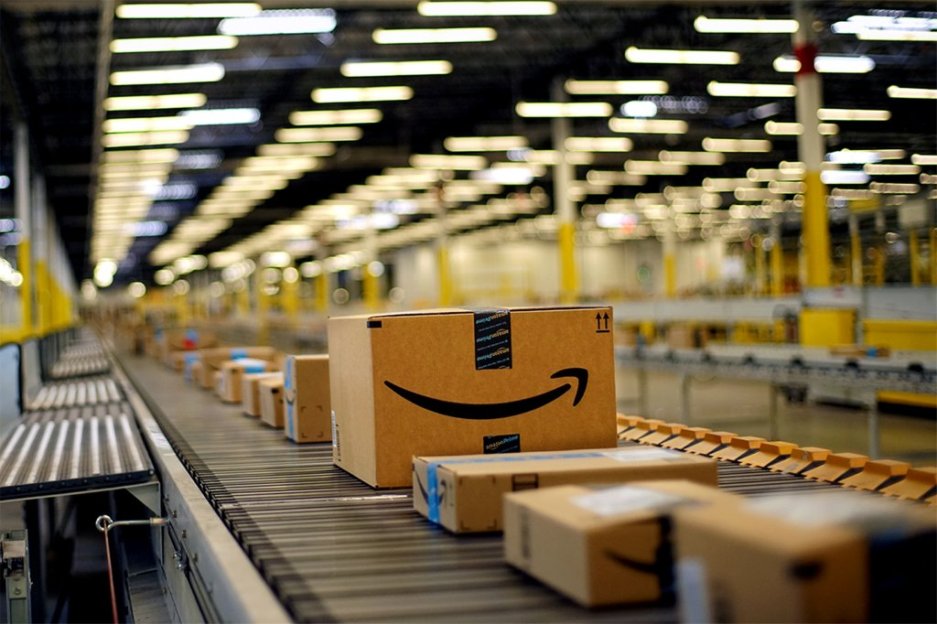
With 250 centers, Amazon is building a dense and highly integrated national network — especially concentrated in:
This reduces logistical bottlenecks, cuts nationwide transportation costs, and makes e-commerce more competitive at scale.
Here’s where companies in logistics tech — like your Atlante ecosystem — gain serious traction.
Amazon’s growth triggers a chain reaction:
Mid-sized and large retailers want to match Amazon-level SLAs.
This drives adoption of:
As e-commerce grows, more regional logistics companies invest in technology to stay competitive.
For many businesses, manual processes are no longer viable.
The next wave will include:
Amazon is pulling the entire market forward.
Amazon reaching 250 distribution centers in Brazil is more than a growth milestone — it’s a clear sign of a new era for Brazilian logistics.
It sets new standards for delivery speed, automation, and efficiency, while creating a ripple effect across the entire supply chain — from large distributors to small e-commerce operations.


